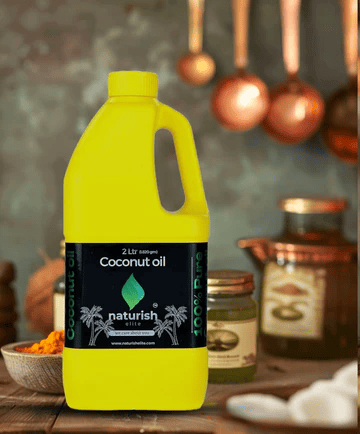
Coconut oil has been an integral part of Indian cuisine and culture for centuries. From sacred offerings in temples to everyday meals in households, this versatile cooking oil holds a special place in Indian kitchens, especially in the southern states. In this article, we’ll explore the traditional uses of coconut oil in Indian cooking, its role in rituals, health benefits, and why choosing the right type — whether wood pressed coconut oil or virgin coconut oil — makes a difference.
The Cultural Importance of Coconut Oil in India
Coconut oil is more than just a cooking oil in India — it is deeply connected with traditions, festivals, and rituals. In Kerala, Tamil Nadu, and Karnataka, coconut and its oil are considered symbols of purity and prosperity. The oil has historically been used in temple lamps, religious ceremonies, and as an offering to deities before making its way into family kitchens. This sacred connection is why coconut oil Indian cooking is seen as both nourishing and spiritual.
Coconut Oil in Temple Cuisine
One of the most fascinating uses of Coconut Oil for Cooking Indian Dishes the Healthy Way is in temple food. Temple kitchens in Kerala and coastal Karnataka prepare prasadam (holy offerings) in pure coconut oil. From crispy banana chips fried in golden oil to coconut-laden curries, every dish prepared in temples reflects purity. Devotees believe that food cooked in coconut oil retains not only authentic taste but also divine energy.
Coconut Oil in Everyday Indian Cooking
South Indian Kitchens
The best coconut oil for South Indian cooking is often wood pressed, as it preserves natural nutrients and flavour. Kerala cuisine is incomplete without it — whether it’s the famous Kerala coconut oil recipes like Avial, Thoran, or fish curry, coconut oil enhances aroma and richness.
Coastal Cooking Traditions
In Goa and Karnataka, coconut oil is used to temper curries, roast spices, and fry seafood. Its ability to withstand high temperatures makes it a reliable cooking oil for deep frying, while its flavour gives dishes a distinctive taste.
Why Choose Wood Pressed Coconut Oil?
Wood pressed coconut oil is made using traditional cold-press methods, where oil is extracted without heat. This process retains the oil’s natural antioxidants, nutrients, and coconut aroma. Many families in South India still prefer wood pressed oil for cooking as it is chemical-free, unrefined, and healthier compared to refined oils.
- Rich in antioxidants
- Retains authentic coconut flavour
- Free from harmful processing chemicals
- Ideal for everyday coconut oil Indian cooking
- The Rise of Virgin Coconut Oil in Modern Kitchens
While wood pressed oil has traditional roots, virgin coconut oil has gained global popularity for its health benefits. Extracted from fresh coconut milk, virgin oil is lighter in texture and rich in medium-chain fatty acids (MCFAs), making it a healthier choice for modern diets.
In Indian kitchens, virgin oil is used for sautéing vegetables, dressing salads, and even for baking. Health-conscious cooks prefer it because it enhances digestion and boosts immunity.
Health Benefits of Coconut Oil in Indian Cooking
The traditional uses of coconut oil in Indian cooking weren’t just about flavour — they were also about health.
- Supports Digestion: Lauric acid aids in nutrient absorption.
- Boosts Immunity: Contains antibacterial and antifungal properties.
- Heart-Friendly: When consumed in moderation, helps maintain cholesterol levels.
- Energy Source: MCFAs provide instant energy, making it a staple in many households.
- Kerala Coconut Oil Recipes Worth Trying
Kerala cuisine is world-famous for its liberal use of coconut oil. Some iconic Kerala coconut oil recipes include:
- Avial — A mixed vegetable curry cooked with coconut and seasoned with coconut oil.
- Kerala Fish Curry — Fiery red curry tempered with coconut oil for authenticity.
- Banana Chips — Temple-style crispy wafers fried in pure coconut oil.
- Thoran — A dry dish made with vegetables, grated coconut, and oil.
- These dishes highlight why coconut oil is considered the best coconut oil for South Indian cooking.
Conclusion
From temple offerings to homely meals, the traditional uses of coconut oil in Indian cooking have shaped the country’s culinary heritage. Whether you choose wood pressed coconut oil for authenticity or virgin coconut oil for modern health benefits, one thing remains unchanged — its ability to add flavour, purity, and nutrition to every dish. For those looking to experience real Indian flavours, there’s no substitute for coconut oil in the kitchen.
FAQs
1. What is the best coconut oil for South Indian cooking?
The best choice is wood pressed coconut oil, as it preserves natural flavour and nutrients, making dishes taste authentic.
2. Can virgin coconut oil be used for Indian cooking?
Yes, virgin coconut oil can be used for light sautéing, salads, and curries. It is healthier and lighter but has a slightly different taste compared to traditional oil.
3. Why is coconut oil preferred in Kerala cuisine?
Coconut oil is deeply rooted in Kerala’s food culture. Its unique taste enhances traditional dishes, and it has been used for centuries in both temples and homes.
4. Is coconut oil a healthy cooking oil?
Yes, when consumed in moderation, coconut oil is a healthy cooking oil that aids digestion, boosts immunity, and provides instant energy.




Comments (0)
Login to post a comment.