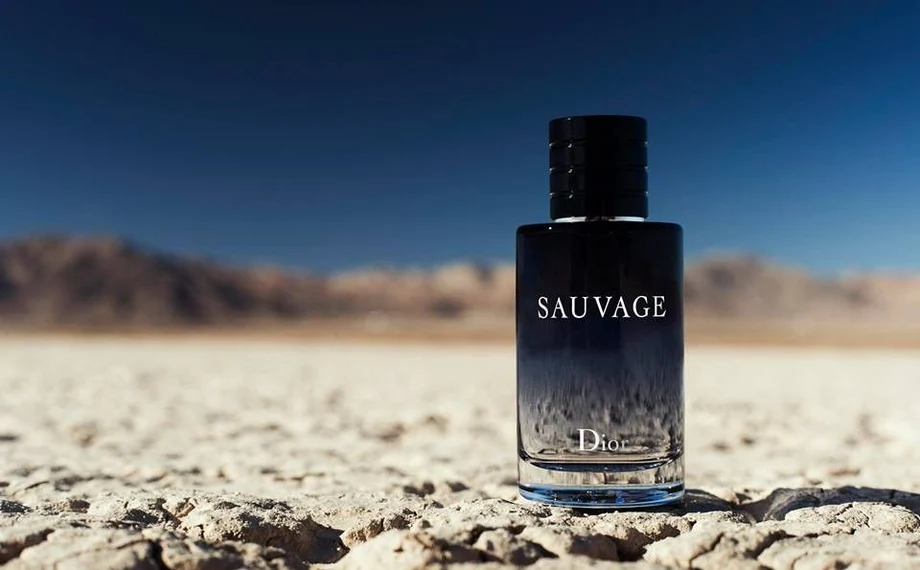
Perfume has been a part of human culture for thousands of years, treasured not only for its ability to mask odors but also for its power to evoke emotions, create memories, and express individuality. From the incense-filled temples of ancient Egypt to the chic fragrance boutiques of Paris, perfume has always held a unique place in society. Today, it is more than just a luxury—it is an extension of personal style and identity.
A Journey Through History
The word “perfume” originates from the Latin phrase per fumum, meaning “through smoke.” Early civilizations, such as the Egyptians, Greeks, and Romans, used scented oils and resins in religious ceremonies, daily grooming, and even embalming practices. Perfume was considered a symbol of status and divinity, believed to connect mortals with the gods.
In the Middle Ages, the art of perfumery spread across Europe through trade with the Arab world, which refined distillation techniques. By the Renaissance, perfume had become a fashionable accessory among European royalty. Today, modern perfumery blends traditional craftsmanship with cutting-edge science, resulting in fragrances that are more diverse and sophisticated than ever before.
The Science of Scent
At its core, perfume is a carefully crafted blend of aromatic compounds, oils, and fixatives. Each fragrance unfolds in three layers:
- Top notes: The first impression, usually light and refreshing, such as citrus or herbal scents.
- Heart notes: The body of the fragrance, often floral, fruity, or spicy, that emerges once the top notes fade.
- Base notes: The long-lasting foundation, often rich and warm, with hints of wood, musk, or amber.
The magic lies in how these notes interact with an individual’s skin chemistry. This is why the same perfume can smell slightly different on two people, making fragrance a deeply personal experience.
Perfume as Self-Expression
Fragrance is often called the invisible accessory, one that completes an outfit without being seen. Just as fashion communicates personality, perfume tells a story about who we are—or who we want to be. A light, citrusy scent may reflect freshness and optimism, while a bold, smoky fragrance might suggest confidence and mystery.
People often create a “fragrance wardrobe” for different moods and occasions. A floral eau de toilette might be perfect for a daytime meeting, while a richer, more intense eau de parfum could be reserved for evening events. The ability to shift personas through scent is part of perfume’s timeless allure.
Choosing the Right Perfume
With thousands of options available, selecting the right perfume can feel overwhelming. Here are a few tips to make the process easier:
- Know your preferences: Do you gravitate toward floral, woody, citrus, or spicy scents? Identifying your preferred fragrance families helps narrow down choices.
- Test before buying: Always try a perfume on your skin, as the scent will evolve over time.
- Consider the season: Light, fresh scents work well in summer, while deeper, warmer fragrances shine in winter.
- Trust your instincts: Perfume is intimate. Choose what makes you feel confident and comfortable.
The Future of Fragrance
As sustainability becomes a global priority, the perfume industry is evolving. More brands are focusing on natural, ethically sourced ingredients, eco-friendly packaging, and cruelty-free testing. Personalized perfumes, created with the help of AI and DNA analysis, are also gaining popularity, offering truly unique scents tailored to individuals.
Conclusion
Perfume is more than a blend of aromatic notes—it is an art form, a science, and a reflection of human emotion. Whether you wear it to uplift your mood, leave a lasting impression, or simply indulge in a sensory pleasure, perfume remains one of the most powerful ways to express individuality. In every spritz lies a story, a memory, and a piece of identity that lingers long after you leave the room.



Comments (0)
Login to post a comment.