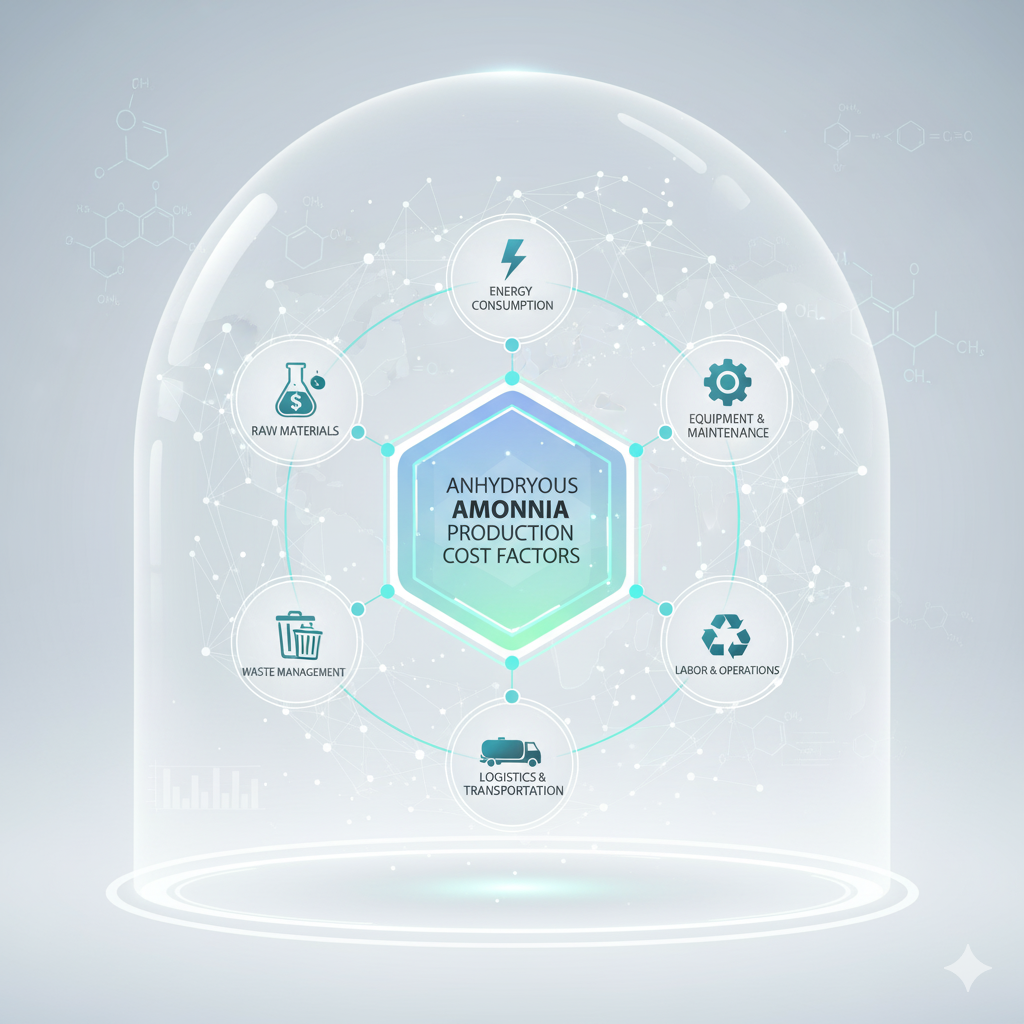
Anhydrous ammonia is one of the most important industrial chemicals, serving as the foundation for nitrogen-based fertilizers and a key raw material for various chemical processes. Its large-scale application in agriculture, refrigeration, and chemical manufacturing makes it a highly demanded commodity. For producers and stakeholders, understanding the Anhydrous ammonia production cost is essential to ensure efficient operations, competitive pricing, and long-term profitability.
Introduction to Anhydrous Ammonia
Anhydrous ammonia is a colorless, pungent gas stored and transported as a liquid under pressure. It contains a high nitrogen content, which makes it particularly valuable for fertilizers, accounting for a large share of global demand. Beyond agriculture, it is used in refrigeration, explosives, water treatment, and the production of synthetic fibers and plastics.
Evaluating the Anhydrous ammonia production cost involves examining every stage of the process—from feedstock procurement to energy consumption, labor, compliance, and logistics.
Key Factors Influencing Anhydrous Ammonia Production Cost
- Raw Materials
- The main feedstocks for anhydrous ammonia are natural gas, coal, or other hydrocarbon sources, depending on regional availability. Natural gas is the most common feedstock due to its efficiency in hydrogen production. The price of natural gas or alternative feedstocks is the most significant factor influencing production cost.
- Manufacturing Process
- Ammonia is primarily produced through the Haber-Bosch process, which synthesizes ammonia from nitrogen and hydrogen at high temperature and pressure in the presence of a catalyst.
- Hydrogen is usually derived from natural gas through steam methane reforming (SMR).
- Nitrogen is obtained from atmospheric air via air separation units.
- This process is energy-intensive, and the choice of technology directly affects production costs.
- Energy Requirements
- Energy is one of the largest contributors to Anhydrous ammonia production cost. The Haber-Bosch process requires substantial heat and pressure, making energy optimization critical. Regions with access to inexpensive natural gas often enjoy lower production costs compared to energy-importing regions.
- Labor and Workforce
- Skilled engineers and operators are needed to run the high-pressure, high-temperature ammonia synthesis plants. Labor expenses include training, operational oversight, and safety compliance.
- Equipment and Maintenance
- Production facilities require reformers, compressors, synthesis loops, and storage units that operate under extreme conditions. Regular maintenance and periodic equipment upgrades are necessary to ensure plant safety and reliability, adding to overall costs.
- Environmental and Safety Compliance
- Ammonia production generates greenhouse gases, particularly carbon dioxide from hydrogen production. Compliance with environmental regulations, emissions control, and investment in carbon capture or greener technologies increase costs but are increasingly unavoidable.
- Packaging and Transportation
- Anhydrous ammonia is stored and transported under pressure in specialized tanks, requiring additional investment in safe handling and logistics. Transportation costs also depend on distance from production plants to consumption centers.
Strategies to Optimize Anhydrous Ammonia Production Cost
- Feedstock Efficiency: Securing stable and affordable natural gas supplies reduces cost volatility.
- Energy Optimization: Implementing energy-efficient technologies and heat recovery systems can significantly reduce operating costs.
- Process Integration: Co-locating ammonia plants with fertilizer or chemical facilities improves resource utilization.
- Automation: Automated monitoring and process control reduce human error, lower labor costs, and improve safety.
- Sustainability Measures: Adoption of carbon capture and green ammonia production methods may increase upfront costs but improve long-term efficiency and regulatory compliance.
Market Outlook
Global demand for anhydrous ammonia is projected to remain strong due to the agriculture sector’s reliance on nitrogen fertilizers. Additionally, the growing interest in green ammonia (produced from renewable energy and water electrolysis) is reshaping cost structures and long-term competitiveness. For conventional producers, managing Anhydrous ammonia production cost efficiently while adapting to sustainability requirements will be critical in the evolving market landscape.
Frequently Asked Questions (FAQ)
Q1: What is the largest factor affecting Anhydrous ammonia production cost?
Feedstock cost, especially natural gas prices, is the single largest determinant of production cost.
Q2: How energy-intensive is ammonia production?
The Haber-Bosch process is highly energy-intensive, requiring substantial electricity and heat, which significantly contributes to production expenses.
Q3: Why is environmental compliance important?
Ammonia production generates greenhouse gases, and meeting regulatory standards requires emissions control and sustainability measures, which add to costs.
Q4: Can automation reduce production costs?
Yes, automation improves efficiency, reduces operational errors, and minimizes labor requirements, helping to lower overall costs.
Q5: How does transportation affect cost?
Since anhydrous ammonia must be stored and transported under pressure, specialized logistics increase overall production and distribution costs.
Q6: What role does green ammonia play in future production costs?
Green ammonia, though currently more expensive to produce, may reduce long-term costs by avoiding carbon penalties and leveraging renewable energy sources.
Q7: Which industries drive demand for anhydrous ammonia?
Agriculture (fertilizers) is the dominant sector, followed by refrigeration, explosives, textiles, and chemical manufacturing.
Contact Information
Company Name: Procurement Resource
Contact Person: Ashish Sharma (Sales Representative)
Email: sales@procurementresource.com
Location: 30 North Gould Street, Sheridan, WY 82801, USA
Phone: UK: +44 7537171117
USA: +1 307 363 1045



Comments (0)
Login to post a comment.