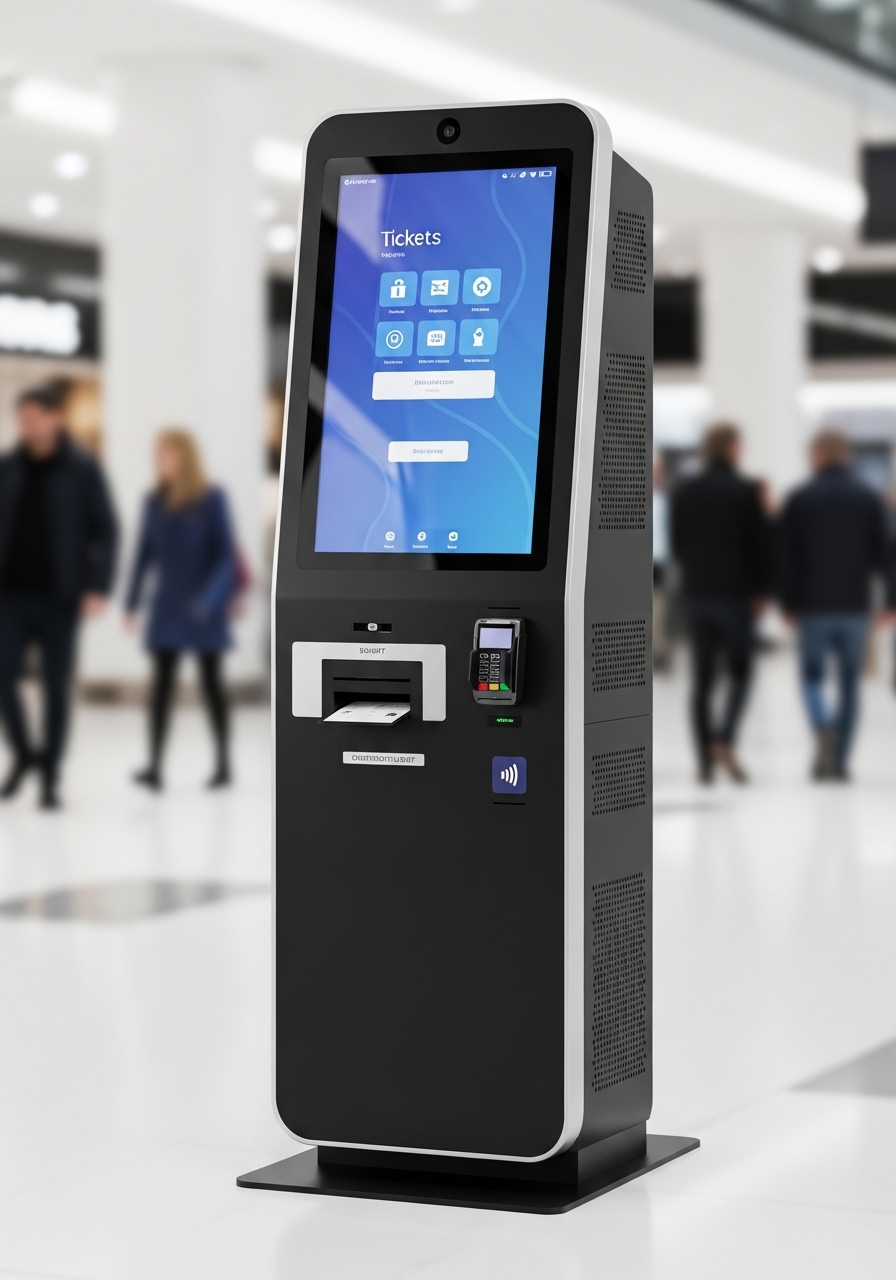
Government offices are often associated with long waiting times, paper-heavy processes, and frustrated citizens. However, digital transformation is changing this narrative, and one of the most impactful innovations is the self-service kiosk machine. With solutions like Panashi kiosk machines, government agencies are streamlining services, reducing queues, and providing faster, more efficient interactions for the public.
What Are Self-Service Kiosk Machines in Government Offices?
A kiosk machine is a self-service terminal that allows citizens to access government services without waiting in long lines or relying solely on staff. These machines can be equipped with touchscreens, card readers, biometric scanners, and printers, enabling users to complete tasks such as paying bills, renewing documents, submitting applications, or accessing information independently.
By placing these kiosks in government offices, municipal centers, and public service hubs, agencies can offer citizens a faster, more convenient, and more transparent way to access services.
The Need for Self-Service in Government
Long wait times and complex procedures have historically been a pain point for citizens visiting government offices. Whether it’s renewing a driver’s license, paying utility bills, or submitting official documents, the traditional process often involves paperwork, manual verification, and multiple counters.
Self-service kiosk machines address these issues by digitizing routine tasks and allowing citizens to complete them quickly. This not only improves public satisfaction but also enables staff to focus on more complex tasks, such as addressing unique queries or handling sensitive processes.
Key Benefits of Panashi Kiosk Machines in Government Services
1. Faster Services
A primary advantage of Panashi kiosk machines is speed. Citizens can perform tasks such as filling forms, making payments, or printing certificates in just a few minutes. By automating routine processes, kiosks drastically reduce the time spent waiting in queues, allowing government offices to serve more people efficiently.
2. Reduced Administrative Burden
Government staff often spend a significant portion of their day on repetitive tasks. By introducing kiosk machines, employees are freed from routine administrative duties, allowing them to focus on tasks that require human judgment or personal assistance. This improves overall productivity and reduces workplace stress.
3. Enhanced Accuracy
Manual processes are prone to errors, whether it’s incorrect form entry or misplaced documents. Self-service kiosk machines minimize these errors by guiding users through structured digital workflows. Panashi kiosks are equipped with error-checking features that ensure accurate data collection, reducing delays and rework.
4. Accessibility and Inclusivity
Modern kiosks support multiple languages, assistive features, and intuitive interfaces, making government services more accessible to a diverse population. Elderly citizens, non-native speakers, and people with disabilities can use Panashi kiosk machines to access essential services independently, creating a more inclusive public service environment.
5. Transparency and Accountability
Kiosk machines enhance transparency in government operations. Citizens receive immediate confirmation for transactions such as bill payments, license renewals, or document submissions. This reduces confusion and builds trust between the public and government institutions.
6. Cost Efficiency
While the initial investment in kiosk machines may seem significant, the long-term benefits are substantial. By reducing reliance on manual labor, minimizing paperwork, and improving workflow efficiency, government offices can achieve significant cost savings while serving a larger population effectively.
Common Applications of Kiosk Machines in Government
- Bill Payments: Citizens can pay utility bills, taxes, or fines quickly without visiting multiple counters.
- Document Renewal: Driver’s licenses, ID cards, passports, and vehicle registrations can be renewed via kiosks.
- Information Access: Citizens can check application statuses, service guidelines, and public notices.
- Form Submission: Forms for permits, registrations, or complaints can be submitted digitally.
- Printing Services: Certificates, receipts, and official documents can be printed immediately on-site.
How Panashi Kiosks Integrate with Government Systems
Panashi kiosk machines are designed to integrate seamlessly with government IT infrastructure. Real-time synchronization ensures that all transactions are logged immediately into central databases, improving efficiency and reducing errors. Advanced reporting and analytics allow agencies to monitor usage patterns, identify bottlenecks, and optimize service delivery.
Security is another key consideration. Panashi kiosks are equipped with secure login, biometric authentication, and encrypted data transmission, ensuring that sensitive citizen data remains protected at all times.
Improving Citizen Experience
For citizens, the convenience of a Panashi kiosk machine is transformative. No longer do they need to spend hours in crowded offices or navigate complex paperwork. Instead, they can complete transactions quickly, confidently, and independently.
The kiosks also offer educational features, such as step-by-step guides or informational videos, to help citizens understand procedures. This empowers people, reduces confusion, and fosters a more positive perception of government services.
The Future of Government Services
The role of kiosk machines in government offices is set to grow as technology advances. Future kiosks may feature AI-powered virtual assistants, multilingual support, facial recognition, and mobile integration to further simplify interactions.
By embracing self-service solutions, governments can create smarter, more efficient offices that meet the expectations of a modern, digital-savvy population. Panashi continues to innovate in this space, ensuring that kiosk machines are not just tools but strategic solutions for public service transformation.
Conclusion
Self-service kiosk machines are revolutionizing government offices by providing faster services, reducing lines, and improving citizen satisfaction. With Panashi kiosk machines, government agencies can streamline routine processes, enhance accessibility, and optimize operational efficiency.
As public expectations evolve and digital transformation accelerates, self-service kiosks will become a standard feature in government offices, delivering convenience, transparency, and efficiency for citizens and staff alike. The future of public service is digital, and kiosk machines are leading the way.




Comments (0)
Login to post a comment.